
Deposits
Machu Picchu, Perú
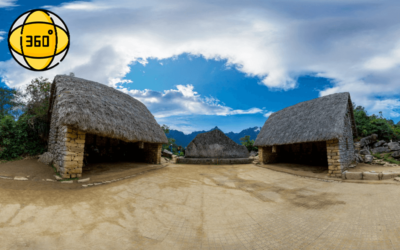
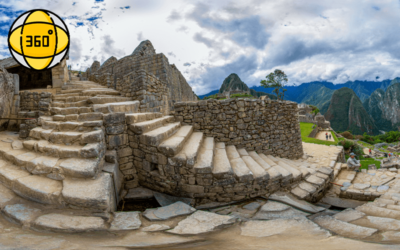
The deposits, or qollqas, of Machu Picchu were structures designed for storing food, utensils, and agricultural products, essential for supplying the population and administering the city. They were located primarily in the high, well-ventilated areas of the complex, taking advantage of air currents to keep the products fresh and dry. Their stone walls, compacted earth floors, and thatched roofs helped preserve corn, freeze-dried potatoes (chuño), quinoa, and other grains, ensuring supplies during times of scarcity or important ceremonies. These storehouses demonstrate the efficient economic organization and planning of the Incas, enabling them to ensure Machu Picchu’s self-sufficiency despite its isolated location.
In addition to their practical function, the qollqas held strategic and symbolic value, as food storage was linked to the prosperity and stability of the Inca state. From here, the distribution of products to workers, priests, and visitors of the sacred city was controlled, reflecting an economic system based on reciprocity and centralized administration. Its orderly arrangement and perfect adaptation to the terrain demonstrate how the Incas combined engineering, foresight and respect for nature, integrating each structure into the landscape without altering its harmony.



Other points of interest in Machu Picchu
Subscribe Now!
Unlock the Machu Picchu 360 experience
EXPLORER
US$ 12
ACCESS FOR 1 YEAR
Exclusive 01 user
SUBSCRIBE NOW
Up to 2 Gigabytes of monthly traffic
TEACHER
US$ 79
ACCESS FOR 1 YEAR
Shared by 4 users
SUBSCRIBE NOW
Up to 10 Gigabytes of monthly traffic
EDUCATIONAL
US$ 215
ACCESS FOR 1 YEAR
Up to 50 simultaneous users
SUBSCRIBE NOW
Up to 40 Gigabytes of monthly traffic
Advantages of the FULL version for subscribers
Unlimited access to 25 points of interest
Texts available in 10 languages
Full screen display
DSLR photographs in 12k
Audio guides available in 5 languages
No advertising
Available for VR glasses
Includes interactive virtual tour
Terms of Service and Conditions of Use