HuaynaPicchu Mountain
MachuPicchu, Perú
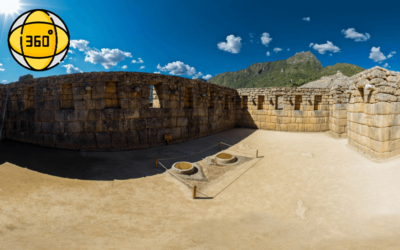
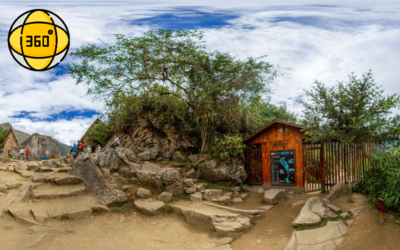
HuaynaPicchu, whose Quechua name means «young mountain,» rises majestically to the north of the Machu Picchu sanctuary and is an integral part of its iconic landscape. At approximately 2,720 meters above sea level, this mountain offered the Incas a strategic vantage point for observation and surveillance, as well as a space of great spiritual significance. On its summit and along its steep path are terraces, ceremonial enclosures, and the Temple of the Moon, indicating that it was a place of worship and connection with the deities. The ascent, carved directly into the rock, demonstrates the Incas’ audacity and mastery of the mountain, seamlessly integrating architecture with nature.
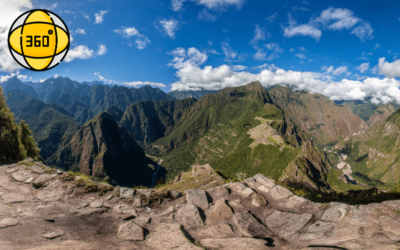
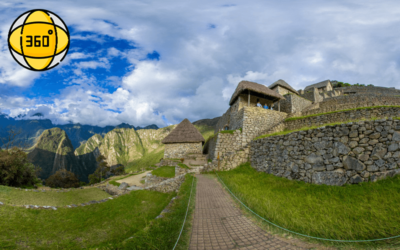
From the summit of HuaynaPicchu, one obtains a breathtaking panoramic view of the entire sacred city, the surrounding mountains, and the meandering Urubamba River—an experience that conveys the majesty and mysticism of the place. Archaeologists believe that Inca priests and astronomers climbed to this mountain to observe the sun, moon, and constellations, which were linked to the agricultural and ceremonial calendar. Today, this mountain retains its sacred and challenging character, making it one of the most breathtaking routes in Machu Picchu, where visitors can feel the ancestral energy and spiritual connection that the Incas established between the earth, the sky, and their guardian deities.